

Therapy
Therapy for Teens
Therapists who talk straight with teenagers about stress, mood, school, friends, phones and family, and who keep parents in the loop without breaking trust.
Being a teen in Fort Bend County
Teens here juggle competitive schools, activities, college pressure and a phone that never stops. Some shut down. Some argue about everything. Some seem fine until a grade drops or a parent finds something worrying. Therapy gives them a place to talk with an adult who is not their parent.
What we work on with teens
- Anxiety, panic and perfectionism
- Depression, irritability and isolation
- ADHD and organization
- Self-harm and safety
- Screens, gaming and compulsive habits
- Substance use
- Athletic pressure and performance
- Conflict with parents
How it works
- 1.
Start together
We usually meet with parents and the teen at the start to agree on goals.
- 2.
Private sessions
Most sessions are one-on-one with the teen.
- 3.
Family check-ins
Parents join periodically to hear progress and get guidance.
- 4.
Clear limits
Teens know what stays private and what we must share for safety.

Teen athletes
Torresy Smith played college sports and coached Division I football. He works with high school and college athletes on pressure, injury, identity and the mental side of performance.
Evenings, weekends and telehealth
After-school and weekend appointments are available, and many teens prefer telehealth from their own room.
Therapists for teens

Diana Cantu, MA
Licensed Psychological Associate
Bilingual Therapy for All Ages

Naim Karabanoff, MS
LPC Associate
Therapy for Kids, Teens and Adults

Maggie Johnson, M.Div., LPC
Licensed Professional Counselor (LPC)
Therapy for Individuals and Couples

Dr. Sunetra Martinez
Licensed Professional Counselor Supervisor and Licensed School Psychologist
Therapy and Clinical Supervision
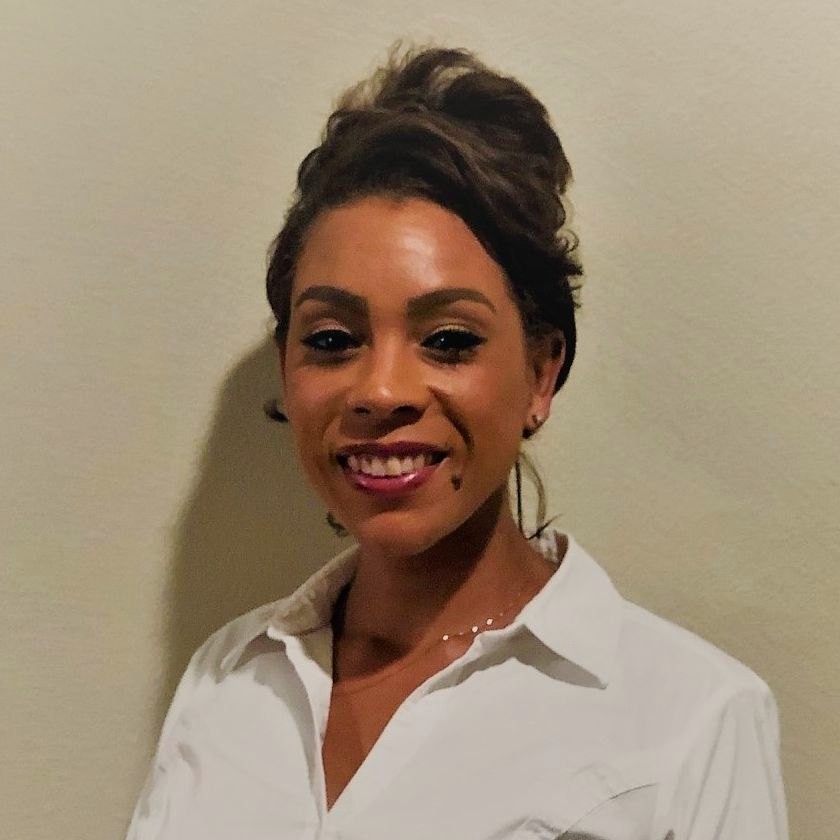
Michelle Mitchell, LMFT
Licensed Marriage and Family Therapist
Couples, Family and Individual Therapy

Dr. Sneha Desai
Licensed Psychologist
Therapy

Kamau Richard, LPC‑S
Licensed Professional Counselor Supervisor
Therapy for Individuals, Couples and Families

Torresy Smith, LPC
Licensed Professional Counselor
Therapy for Teens, Adults and Athletes
Questions
Will you tell me what my teen says?
We share safety concerns and general progress, not every detail. That privacy is what lets teens open up.
My teen does not want to go.
That is common. A first session focused on what they want can change their mind.
The first session
Teens usually start with a short joint conversation with a parent, then time alone with the therapist. We cover what is going on, what the teen wants out of therapy, and how privacy works. Many teens are surprised that the session is a conversation, not a lecture.
Signs worth a call
Pulling away from friends, slipping grades, sleeping all day or not at all, constant irritability, self-harm, or talk of not wanting to be here are all reasons to reach out. If there is immediate danger, call or text 988 or call 911.
Related pages
Book for your teen
Parents can request a first session for a teen online, or call 832-876-3232 to talk it through first.