

Therapy
Therapy for Trauma and PTSD
Therapy for what happened and for how it still shows up now, in sleep, relationships, your body and your sense of safety.
How trauma lingers
After a frightening or overwhelming experience, the mind and body can stay on high alert. Nightmares, flashbacks, jumpiness, avoiding reminders, feeling numb, or feeling unsafe with people you love are common. Some trauma is one event; some is years of experiences, which clinicians call complex trauma.
People come to us after
- Accidents, assaults or violence
- Childhood abuse or neglect
- Military service or first responder work
- Medical trauma and difficult births
- Sudden loss
- Ongoing stress at home or work
How trauma therapy works
- 1.
Safety first
Building stability and coping skills before going near the hardest memories.
- 2.
Understanding
Learning how trauma affects the brain and body, so reactions make sense.
- 3.
Processing
Using approaches such as trauma-focused CBT to work through what happened, at a pace you choose.
- 4.
Reconnecting
Rebuilding trust, routines and relationships.
Veterans, first responders and healthcare workers
Several of our clinicians have worked with soldiers, emergency workers and medical staff. Kamau Richard has experience with service members, and Dr. Richard P. Diaz is a retired U.S. Army Major in the Nurse Corps.
Children and trauma
Children process frightening events through play and behavior. Nikki Holmes is trained in Trust-Based Relational Intervention, and our child therapists work with parents so home feels safe again.
Therapists for trauma

Diana Cantu, MA
Licensed Psychological Associate
Bilingual Therapy for All Ages

Naim Karabanoff, MS
LPC Associate
Therapy for Kids, Teens and Adults
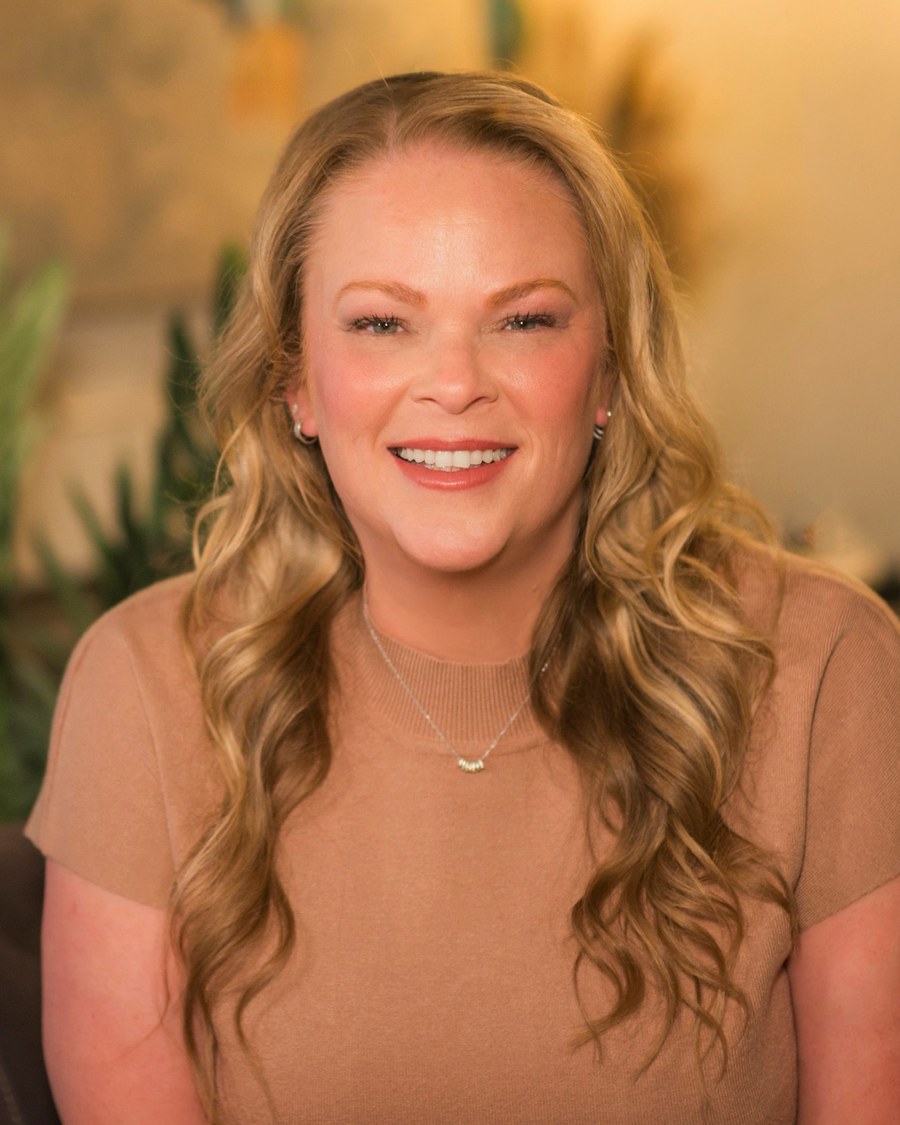
Dr. Jenna Turner
Licensed Psychologist
Psychological Evaluations
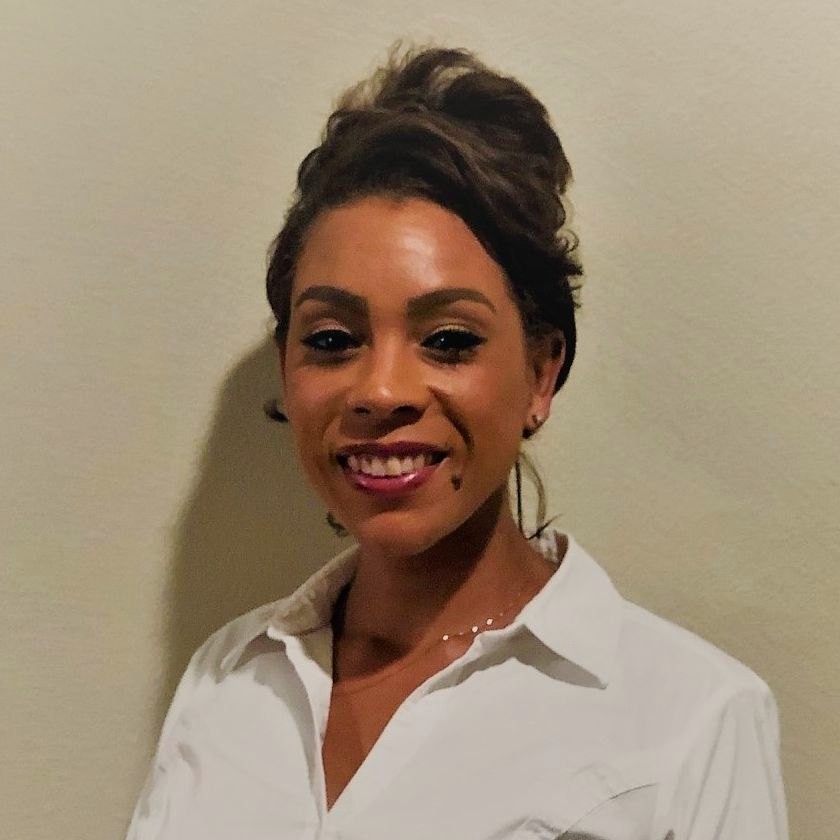
Michelle Mitchell, LMFT
Licensed Marriage and Family Therapist
Couples, Family and Individual Therapy
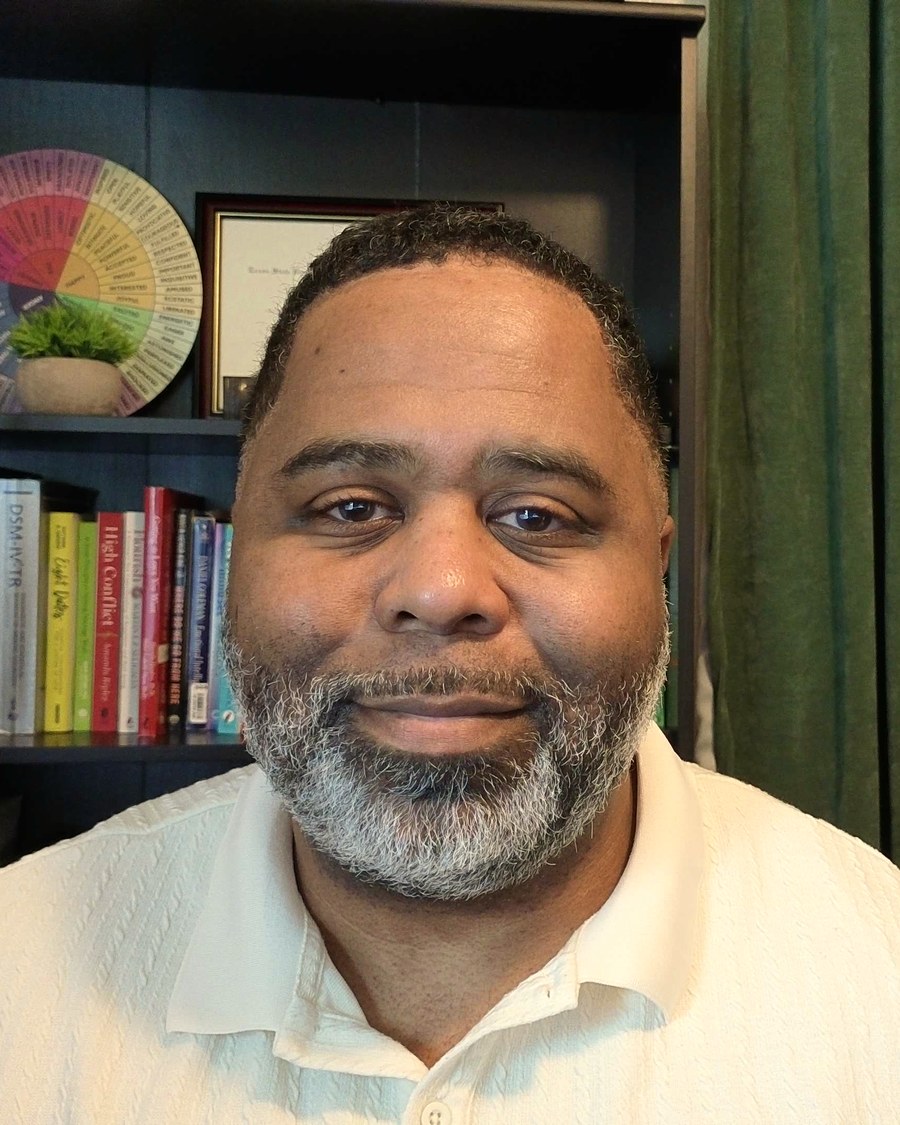
Kamau Richard, LPC‑S
Licensed Professional Counselor Supervisor
Therapy for Individuals, Couples and Families
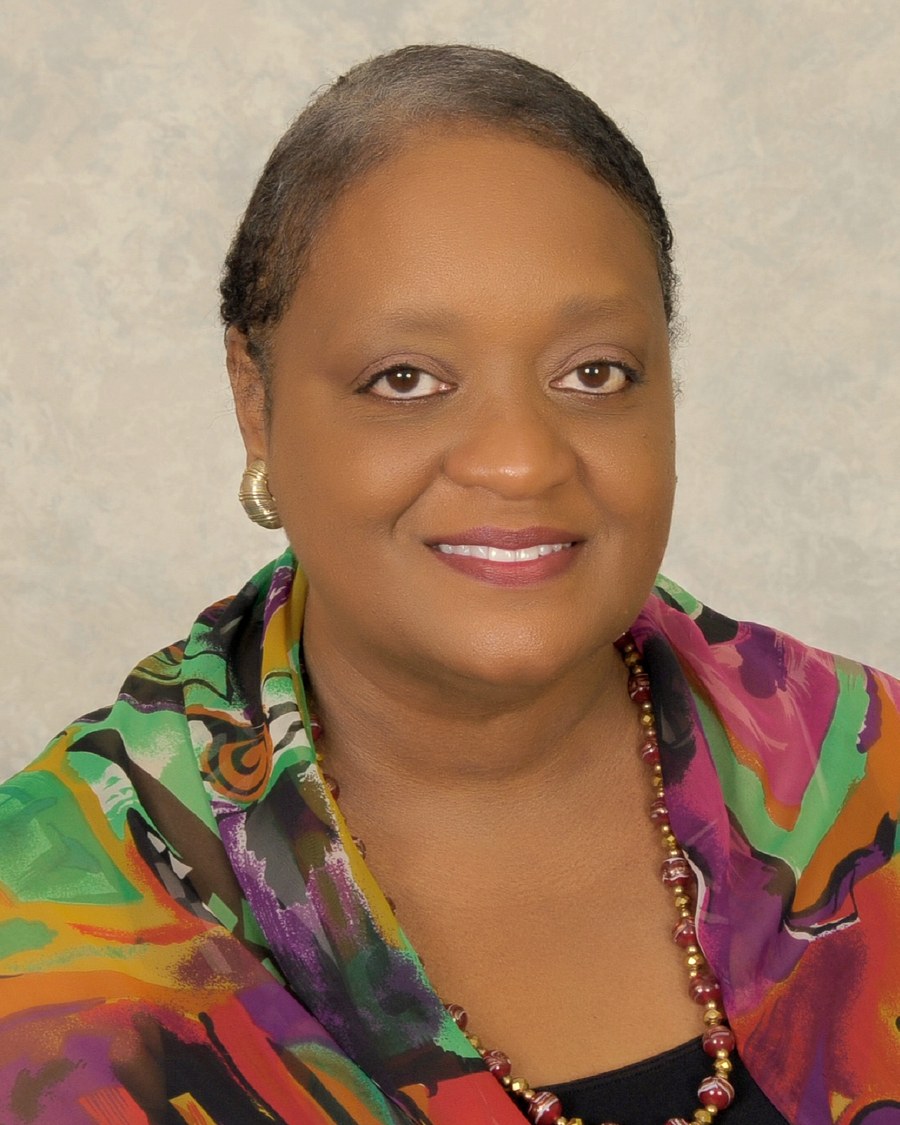
Dr. Renata Nero
Licensed Psychologist
Therapy and Consultation
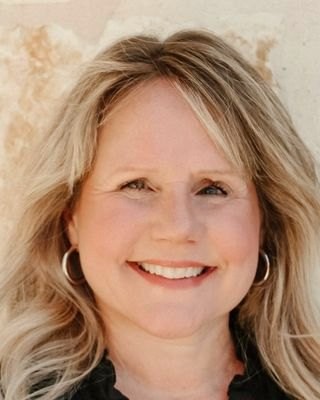
Nikki Holmes, MEd
LPC Associate
Therapy for Children, Teens and Families

Dr. Richard P. Diaz, DNP, PMHNP
Psychiatric & Family Nurse Practitioner
Medication Management
Questions
Do I have to talk about every detail?
No. You decide what to share and when.
Can medication help with PTSD?
For some people, yes. Our prescribers can evaluate you by telehealth.
Your first session
You do not have to tell your story in the first session. Your therapist will ask how trauma affects you now, such as sleep, startle, relationships and work, and will start with skills for steadying yourself when reminders hit.
Signs it may be time
Nightmares, flashbacks, avoiding places or people, feeling numb or constantly on guard, or drinking to get through the evening are all reasons to reach out, whether the trauma was recent or long ago.
Related pages
Reach out when you are ready
When you are ready, request a time online or call 832-876-3232. You can start slowly.