

Therapy
Therapy for Depression
Depression drains energy, interest and hope. Therapy works on the habits and thoughts that keep it going, so the heaviness starts to lift.
More than sadness
Depression often feels like numbness more than sadness. Getting out of bed takes effort, favorite things stop mattering, and small tasks pile up. Many people blame themselves for being lazy or weak. Depression is a health condition, and it responds to treatment.
Signs of depression
- Feeling down most days
- Losing interest in things you used to enjoy
- Sleeping too much or too little
- Changes in appetite
- Guilt or a sense of worthlessness
- Low energy and slowed thinking
- Thoughts that life is not worth living
What treatment involves
- 1.
Assessment
Your therapist asks about mood, sleep, stress, health and history, and screens for bipolar disorder.
- 2.
Small actions
Scheduling small, doable activities, because mood often follows action rather than the other way around.
- 3.
Thought patterns
CBT and other approaches to challenge harsh, hopeless thinking.
- 4.
Relationships and meaning
Working on the relationships and life areas that feed or drain your mood.
Depression at different ages
In teens, depression often looks like irritability, isolation and slipping grades. In older adults it can show up as fatigue, aches and withdrawal and is easy to mistake for aging. Our team works with every age group, and Dr. Renata Nero accepts Medicare.
Therapy and medication
Therapy alone helps many people. When depression is moderate to severe, combining therapy with medication often works better. Our prescribers coordinate with your therapist.
Therapists for depression

Dr. Kiran Mishra
Licensed Psychologist
Therapy for Adults

Diana Cantu, MA
Licensed Psychological Associate
Bilingual Therapy for All Ages

Naim Karabanoff, MS
LPC Associate
Therapy for Kids, Teens and Adults

Gloria Ntela, MA
Licensed Psychological Associate
Psychological Evaluations
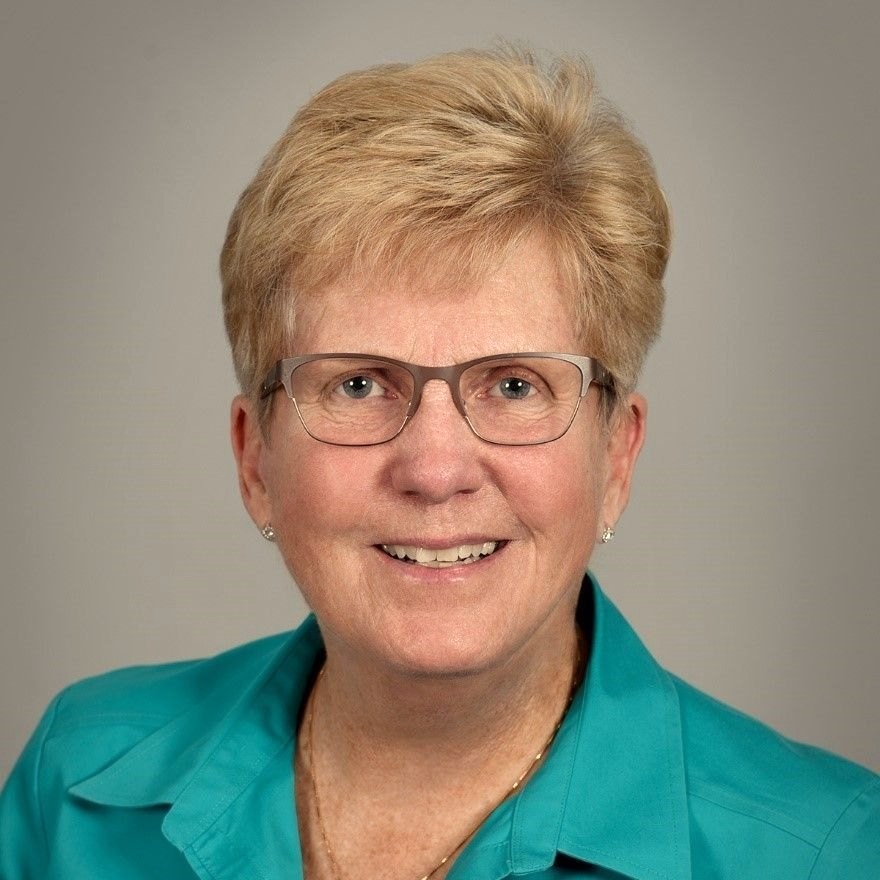
Maggie Johnson, M.Div., LPC
Licensed Professional Counselor (LPC)
Therapy for Individuals and Couples

Dr. Sunetra Martinez
Licensed Professional Counselor Supervisor and Licensed School Psychologist
Therapy and Clinical Supervision

Michelle Mitchell, LMFT
Licensed Marriage and Family Therapist
Couples, Family and Individual Therapy

Dr. Sneha Desai
Licensed Psychologist
Therapy
Questions
What if I have thoughts of suicide?
Please call or text 988 now, or call 911 if you are in danger. Then tell your therapist; it is safe to talk about.
Can I be seen quickly?
Often within a week, and sometimes sooner.
Your first session
Your therapist will ask about mood, sleep, appetite, energy, stress, health and history, and will ask directly about safety, because that question helps rather than harms. Together you will choose one or two first goals that feel possible this week.
Small signs of progress
Progress with depression often starts quietly: a shower that feels easier, a call returned, a walk taken. Your therapist will help you notice those signs and build on them.
Related pages
Start with one appointment
Request an appointment in the client portal. If getting started feels hard, a phone call to 832-876-3232 is enough.