

Therapy
Cognitive Behavioral Therapy (CBT)
CBT is a practical, structured therapy that looks at how thoughts, feelings and actions feed each other, and gives you tools to change the cycle.
What CBT is
Cognitive behavioral therapy starts from a simple idea: the way we interpret events shapes how we feel and what we do, and what we do shapes how we feel next. By noticing those links, you can step in at any point, changing a thought, trying a different action, and watching how your mood responds.
What CBT is often used for
- Anxiety, worry and panic attacks
- Depression and low motivation
- OCD, alongside exposure and response prevention
- Phobias and fears
- Sleep problems driven by worry
- Anger and stress
What sessions look like
- 1.
Set an agenda
Each session focuses on a specific problem from your week.
- 2.
Look at the evidence
You and your therapist examine an anxious or harsh thought and test it.
- 3.
Plan an experiment
A small action to try before the next session.
- 4.
Review
Next time, you look at what happened and what you learned.
Homework, but useful
CBT usually includes short practice between sessions, such as tracking moods, writing down thoughts, or gradually facing something you have avoided. The practice is where much of the change happens, because skills grow with use.

Why people like it
CBT is goal-focused and time-limited, so you know what you are working on and can see progress. It is one of the most studied forms of therapy and works well alongside medication when that is needed.
Is CBT right for you?
CBT suits people who like structure and practical tools. If you would rather explore patterns more openly, many of our clinicians blend CBT with other approaches. Tell your therapist what fits you, and expect them to explain why they suggest each exercise, so the method never feels like a mystery.
Clinicians who use CBT

Dr. Kiran Mishra
Licensed Psychologist
Therapy for Adults

Dr. Sunetra Martinez
Licensed Professional Counselor Supervisor and Licensed School Psychologist
Therapy and Clinical Supervision
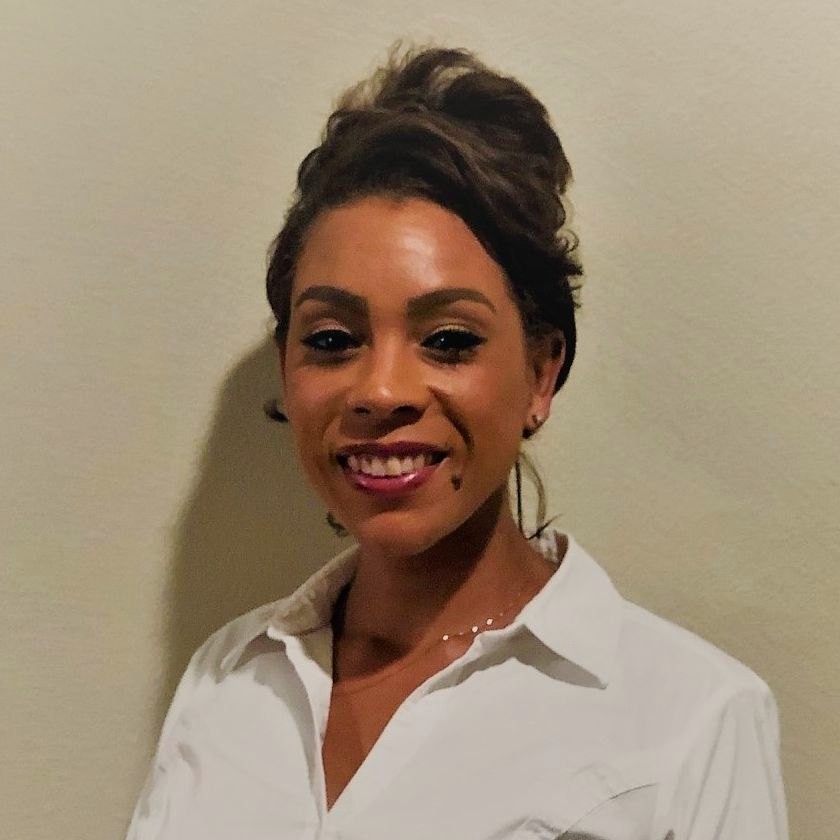
Michelle Mitchell, LMFT
Licensed Marriage and Family Therapist
Couples, Family and Individual Therapy

Dr. Sneha Desai
Licensed Psychologist
Therapy

Diana Cantu, MA
Licensed Psychological Associate
Bilingual Therapy for All Ages

Naim Karabanoff, MS
LPC Associate
Therapy for Kids, Teens and Adults

Nikki Holmes, MEd
LPC Associate
Therapy for Children, Teens and Families
Questions
How long does CBT take?
Many people work on a specific problem for a few months of weekly sessions.
Can CBT be done online?
Yes. It works well by video, and Dr. Kiran Mishra and Dr. Sneha Desai see clients by telehealth.
Does CBT work for children?
Yes, adapted to their age, often with parents involved.
Do I need a diagnosis to start?
No. Many people come in with a problem they want to solve, like worry before work or trouble getting moving in the morning, and CBT gives that problem a plan.
Try a practical approach
Request an appointment online, or call or text 832-876-3232 and we will help you choose a therapist.