

Guides
How to Support a Loved One With Depression
Watching someone you love sink into depression is painful and confusing. You cannot fix it for them, but steady, practical support can make it easier for them to get help and keep going.
The short answer
Stay connected, listen more than you advise, and gently encourage professional help. Offer specific, practical support, such as a ride, a meal or sitting with them while they make a call. Take any talk of suicide seriously, and look after your own health along the way.
Things that help
- Saying you have noticed they seem down and you care
- Listening without rushing to solutions
- Inviting them to small activities without pressure
- Helping with one concrete task, such as booking an appointment
- Checking in regularly, even with a short text
- Learning about depression so it makes more sense
Things that tend not to help
- Telling them to cheer up or snap out of it
- Comparing their situation to people who have it worse
- Taking withdrawal or irritability personally
- Trying to be their only source of support

Talking about getting help
You might say: I have been worried about you, and I think talking to someone could help. Would you let me help you find a therapist? Offer to look at profiles together. If they are not ready, keep the door open and raise it again later.
If you are worried about safety
If your loved one talks about wanting to die, giving things away, or having a plan, do not leave them alone. Call or text 988 for the Suicide and Crisis Lifeline, or call 911. It is okay to ask directly whether they are thinking about suicide. Asking does not put the idea in their head.
Caring for yourself
Supporting someone with depression is tiring. Keep up your own routines and friendships, set limits on what you can give, and consider talking to a therapist yourself. You will be more help to them if you are not running on empty.
When the person is a teen or an older parent
Depression can look different at different ages. Teens may seem irritable or withdrawn rather than sad. Older adults may describe tiredness, aches or losing interest and assume it is just aging. In both cases a gentle conversation and a visit with a clinician who knows that age group is a good next step.
Questions
Can I book an appointment for an adult family member?
They will need to agree to treatment, but you can help them find a clinician and request a time.
What if medication might help?
Our medication providers see adults by telehealth and coordinate with therapists.
Therapists for depression

Dr. Kiran Mishra
Licensed Psychologist
Therapy for Adults

Diana Cantu, MA
Licensed Psychological Associate
Bilingual Therapy for All Ages

Naim Karabanoff, MS
LPC Associate
Therapy for Kids, Teens and Adults

Gloria Ntela, MA
Licensed Psychological Associate
Psychological Evaluations
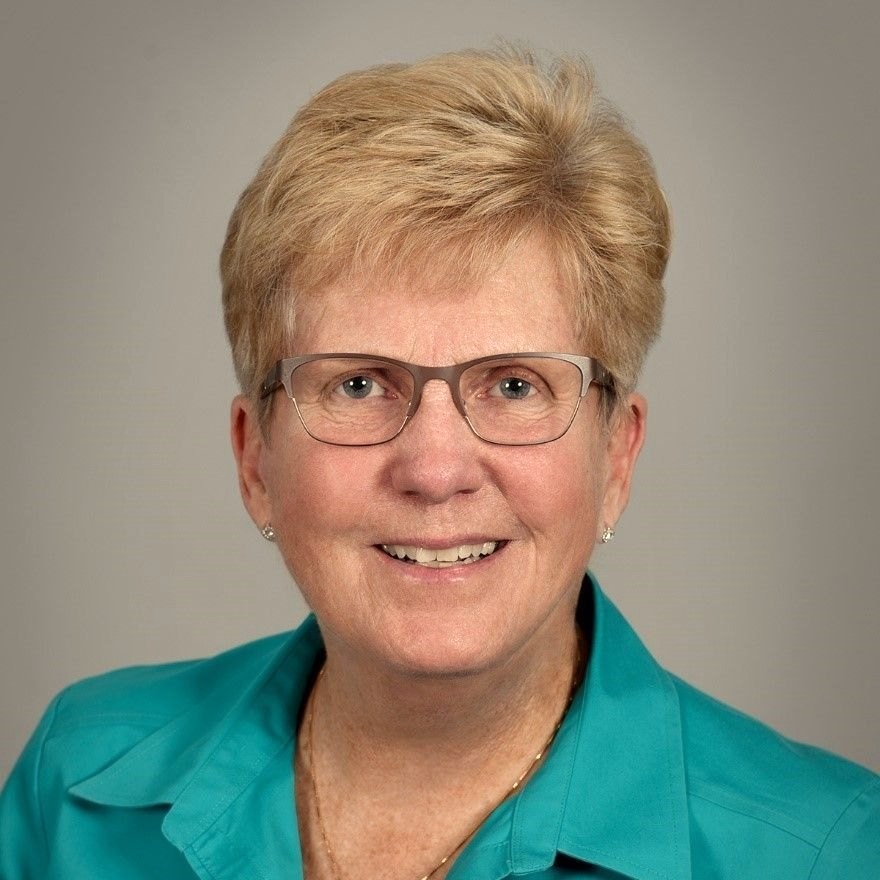
Maggie Johnson, M.Div., LPC
Licensed Professional Counselor (LPC)
Therapy for Individuals and Couples

Dr. Sunetra Martinez
Licensed Professional Counselor Supervisor and Licensed School Psychologist
Therapy and Clinical Supervision

Michelle Mitchell, LMFT
Licensed Marriage and Family Therapist
Couples, Family and Individual Therapy

Dr. Sneha Desai
Licensed Psychologist
Therapy
Help them take the first step
Request an appointment online, or call or text 832-876-3232 and we will help you choose the right clinician.