

Therapy
Therapy for Veterans and First Responders
Military service, police work, firefighting and EMS mean seeing what most people never will. Therapy is a confidential place to set some of that weight down.
The job comes home
People in uniform are trained to stay calm, push through and look after everyone else. Those skills save lives on the job. Off duty, they can turn into trouble sleeping, being always on alert, snapping at family, drinking to wind down, or replaying calls that went wrong.
What brings veterans and first responders in
- Nightmares, flashbacks or being on edge
- Trouble sleeping after shift work or deployment
- Anger and irritability at home
- Grief over colleagues or calls that ended badly
- Drinking more than you want to
- Strain on a marriage or with children
Who we see
Our team sees veterans, first responders and their families among the many people we work with. We listen to how your work actually is, rather than assuming, and we treat trauma, anxiety, depression and substance use.
How therapy can help
- 1.
Stabilize first
Work on sleep, stress and coping before anything else.
- 2.
Understand the reactions
Learn why the body stays on high alert after trauma.
- 3.
Process what happened
At a pace you choose, with a clinician experienced in trauma.
- 4.
Reconnect
Rebuild closeness with partners, kids and friends.

Families matter too
Spouses and children feel the stress of deployments, shift schedules and the calls that come home with you. Couples and family sessions help everyone understand what is happening and how to support each other.
Confidential, and on your schedule
What you share stays private within the limits your clinician explains at the first session. Telehealth across Texas and appointments seven days a week, including evenings and weekends, help work around rotating shifts.
If you are in crisis
Call or text 988 and press 1 to reach the Veterans Crisis Line, or call 911 if you are in immediate danger.
Clinicians who work with trauma

Diana Cantu, MA
Licensed Psychological Associate
Bilingual Therapy for All Ages

Naim Karabanoff, MS
LPC Associate
Therapy for Kids, Teens and Adults

Dr. Jenna Turner
Licensed Psychologist
Psychological Evaluations
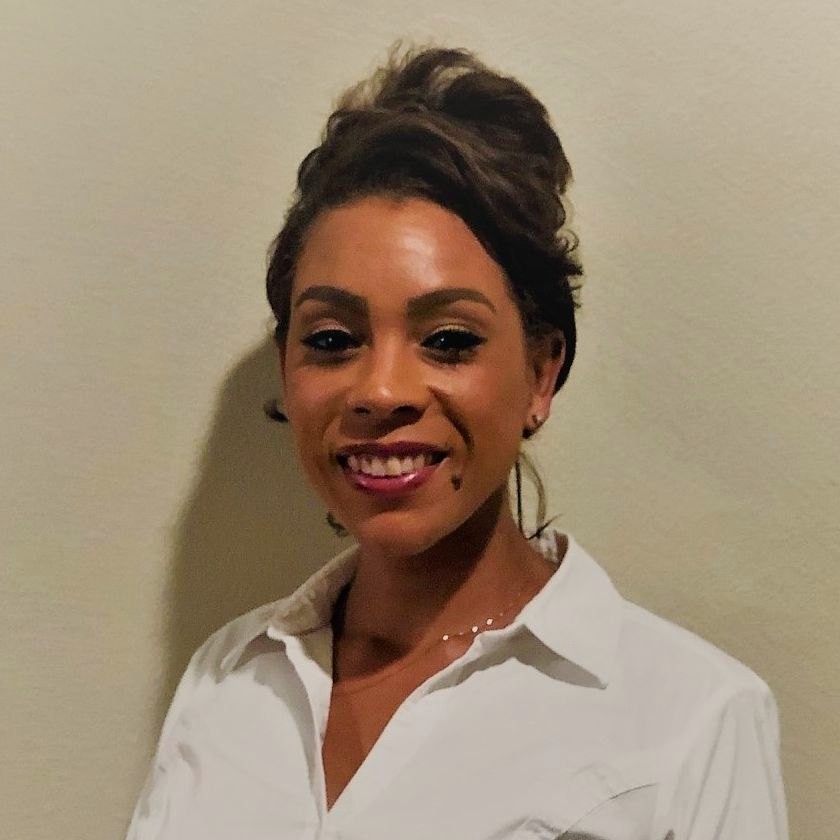
Michelle Mitchell, LMFT
Licensed Marriage and Family Therapist
Couples, Family and Individual Therapy
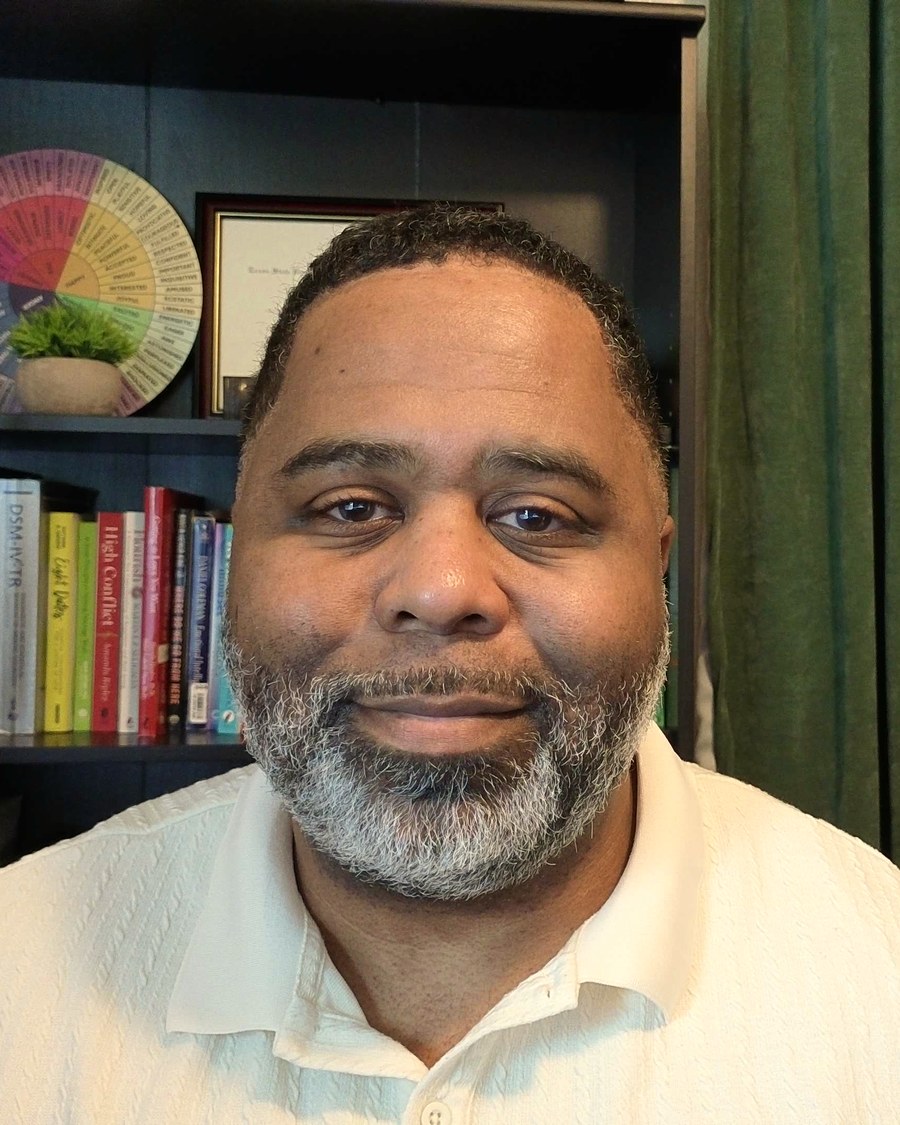
Kamau Richard, LPC‑S
Licensed Professional Counselor Supervisor
Therapy for Individuals, Couples and Families
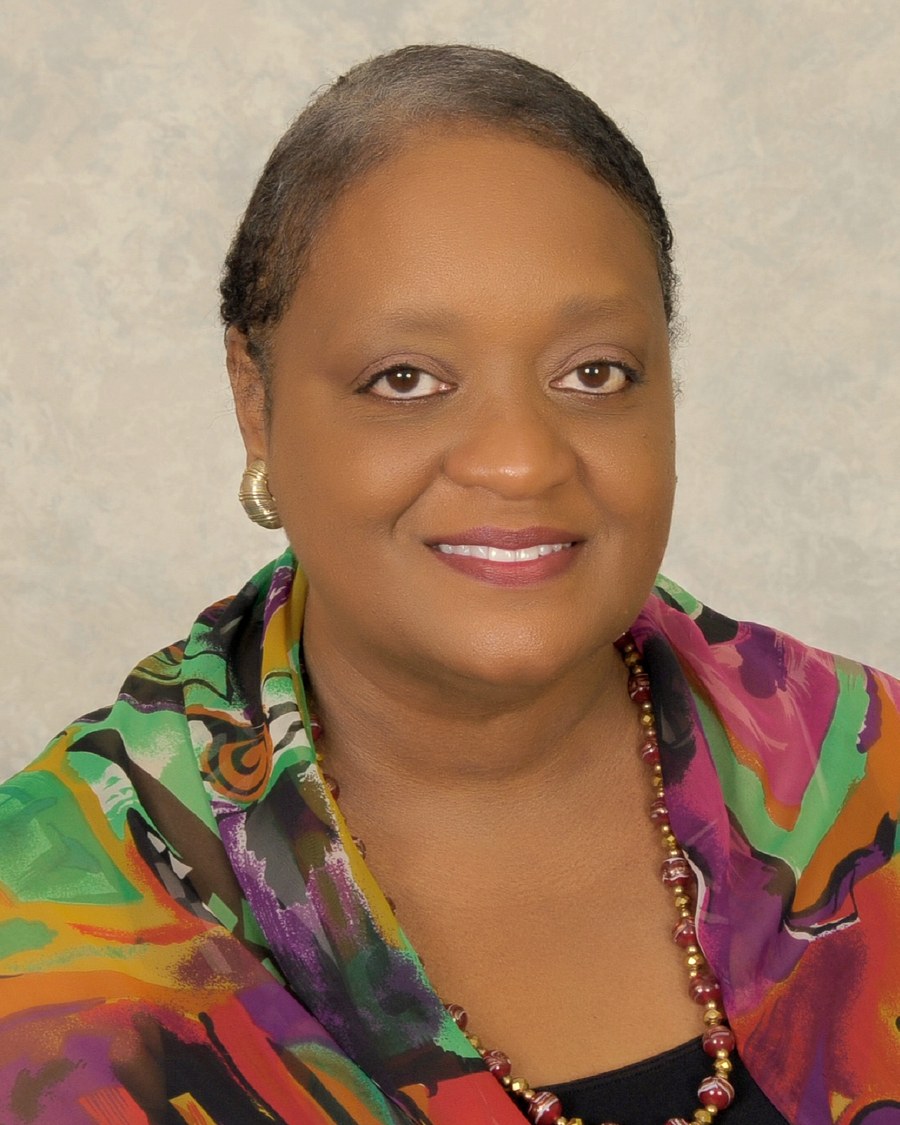
Dr. Renata Nero
Licensed Psychologist
Therapy and Consultation

Nikki Holmes, MEd
LPC Associate
Therapy for Children, Teens and Families

Dr. Richard P. Diaz, DNP, PMHNP
Psychiatric & Family Nurse Practitioner
Medication Management
Questions
Do I have to talk about the worst call right away?
No. You decide what to share and when.
Do you take my insurance?
Each clinician's profile lists the plans they accept. Call us if you are unsure.
Can my spouse come too?
Yes, for couples or family sessions with clinicians who offer them.
Do I need a referral?
No. You can request an appointment directly in the client portal or call or text 832-876-3232 to ask which clinician fits.
Talk to someone who will listen
Request an appointment online, or call or text 832-876-3232 and we will help you choose a therapist.