

Therapy
Help for Child Behavior Problems
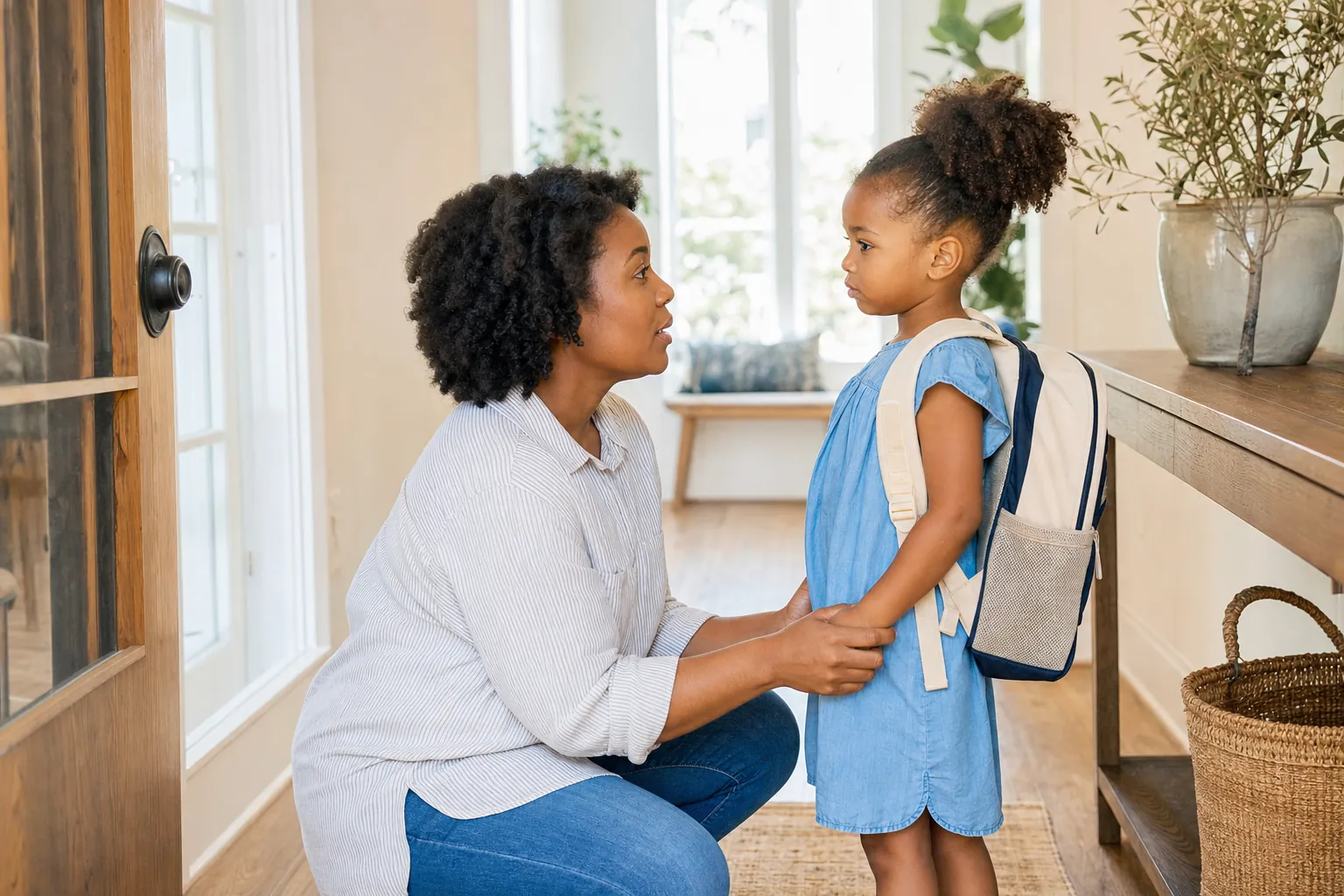
Every child has hard days. When tantrums, hitting, defiance or meltdowns are happening most days and nothing you try is working, it is reasonable to ask for help.
Behavior is a message
A child who melts down at transitions, hits a sibling or refuses every request is usually telling you something: they are tired, overwhelmed, anxious, struggling with a skill, or have learned that big behavior gets results. Therapy helps figure out which, so the response fits.
What brings families in
- Tantrums that last a long time or happen many times a day
- Hitting, kicking or biting
- Refusing instructions at home or at school
- Calls or notes from teachers
- Trouble with transitions, like leaving the park or turning off a screen
- Behavior changes after a move, divorce, new baby or loss
What treatment looks like
- 1.
Assessment
Your clinician meets with parents, then with your child, and asks about home, school, sleep and development.
- 2.
Parent tools
Clear expectations, consistent follow-through and plenty of positive attention.
- 3.
Child skills
Through play, art and practice, your child learns to name feelings and calm down.
- 4.
Track progress
Simple tracking shows whether things are improving.
Play and art in sessions
Young children rarely talk through problems the way adults do. Nikki Holmes uses play and art in sessions, and Michelle Mitchell uses play with young children and includes parents. Kids often look forward to coming.
When it might be more
Sometimes behavior problems are linked to ADHD, anxiety, autism, learning differences or a hard experience. If your clinician thinks an evaluation would help, our testing team is in the same practice.
Siblings and the whole family
Behavior changes faster when the whole household responds in the same way. Family sessions can include siblings and other caregivers. A brother or sister who has been on the receiving end of hitting may need reassurance too, and grandparents who help with pickup can learn the same calm responses parents are using at home.
Therapists for children and families

Nikki Holmes, MEd
LPC Associate
Therapy for Children, Teens and Families
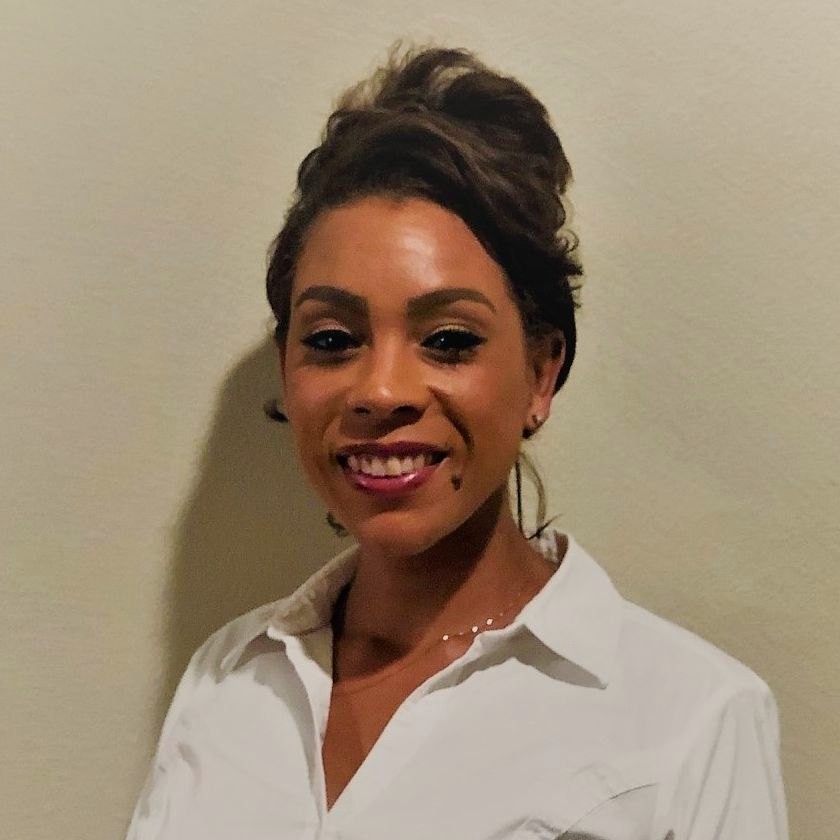
Michelle Mitchell, LMFT
Licensed Marriage and Family Therapist
Couples, Family and Individual Therapy

Naim Karabanoff, MS
LPC Associate
Therapy for Kids, Teens and Adults

Diana Cantu, MA
Licensed Psychological Associate
Bilingual Therapy for All Ages
Questions
What age do you start seeing children?
Nikki Holmes sees children from age 3 and Michelle Mitchell from age 4.
Will my child be labeled?
Not unless an evaluation is useful and you agree to it. Many families just need a better plan.
Do you offer Spanish?
Yes. Diana Cantu and Naim Karabanoff work in Spanish.
Calmer days start with a plan
Request an appointment online, or call or text 832-876-3232 and we will help you choose a therapist.