

Guides
How to Talk to Your Child About Starting Therapy
Children take their cue from you. A calm, honest explanation that fits their age makes the first appointment feel normal rather than scary.
The short answer
Tell your child a few days ahead, in simple and positive terms, why they are going and what will happen. Keep it short, answer their questions honestly, and make clear they are not in trouble. You might say: this is someone whose job is helping kids with big feelings, and you get to play and talk.
Words that fit different ages
- Ages 3 to 6: a feelings helper who plays games with kids and helps them feel better
- Ages 7 to 11: a person who helps kids with worries, anger or hard changes, like a coach for feelings
- Ages 12 and up: someone outside the family you can talk to, who keeps most of what you say private
What to avoid
- Using therapy as a threat or consequence
- Saying the therapist will fix them
- Surprising them on the drive there
- Promising they will only have to go once

What the first visit is like
For young children, our therapists usually meet with parents first, then spend time with the child using play, art or games. Older children may meet with the therapist alone for part of the session. Nothing about the first visit should feel like a test.
If your child is nervous
Let them bring a comfort item, look at the clinician's photo together, or drive past the office beforehand. Our building sits on a lake with fountains and a walking trail, which many kids like to see.
Getting started
- 1.
Choose a therapist
Pick someone who sees your child's age.
- 2.
Book
Request online or call us for help matching.
- 3.
Explain it
Use simple words a few days ahead.
- 4.
Stay involved
Parents are part of the work, especially with young children.
After the first session
Ask your child what they thought, but do not push for details. A simple question such as what was the room like works better than what did you talk about. Some children say little at first. That is normal, and comfort with a therapist usually grows over the first few visits.
Questions
What ages do you see?
Some of our clinicians see children from age 3.
Should I tell my child why we are going?
Yes, in simple terms, so they are not left guessing.
Therapists for children

Nikki Holmes, MEd
LPC Associate
Therapy for Children, Teens and Families
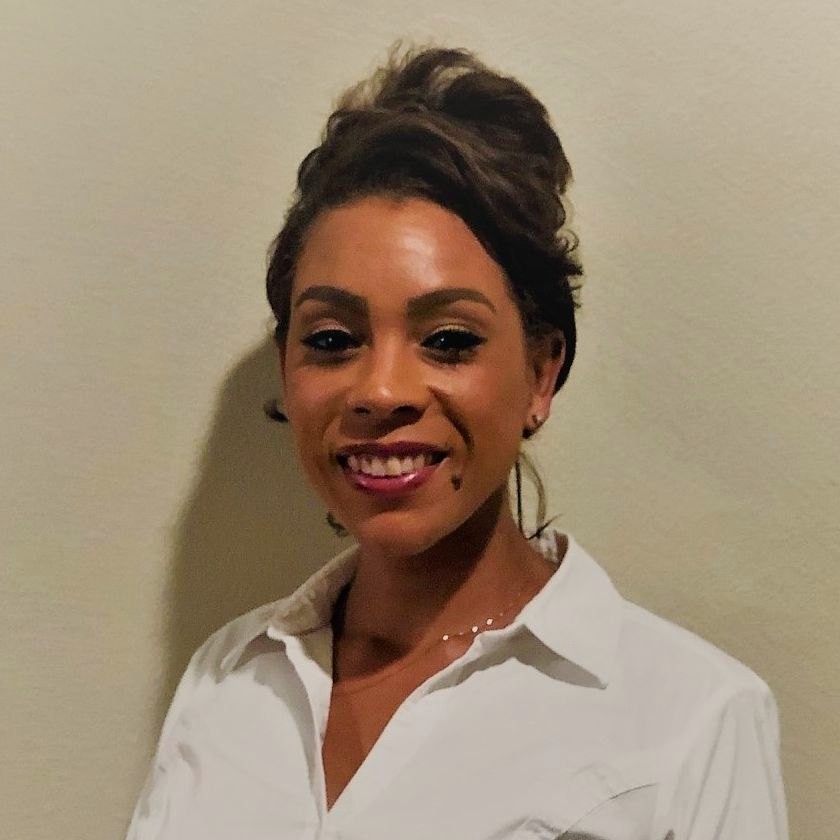
Michelle Mitchell, LMFT
Licensed Marriage and Family Therapist
Couples, Family and Individual Therapy

Naim Karabanoff, MS
LPC Associate
Therapy for Kids, Teens and Adults

Diana Cantu, MA
Licensed Psychological Associate
Bilingual Therapy for All Ages

Dr. Sneha Desai
Licensed Psychologist
Therapy
Find a therapist for your child
Request an appointment online, or call or text 832-876-3232 and we will help you choose the right clinician.