

Therapy
Therapy for Phobias, Including Fear of Flying
A fear of flying, driving, needles, storms or dogs can quietly shape where you travel, which jobs you take and which appointments you skip. Specific fears respond well to focused treatment.
What makes a fear a phobia
Many people dislike flying or get nervous before a shot. A phobia is a fear strong enough that you plan around it: driving twelve hours to avoid a flight, skipping medical care because of needles, or staying home when storms are forecast.
Fears people bring to us
- Flying
- Driving on freeways or over bridges
- Needles, blood draws and medical procedures
- Storms and severe weather
- Dogs, insects or other animals
- Heights, elevators and enclosed spaces
- Vomiting
Why gradual exposure works
Avoidance keeps a fear frozen at full strength. When you approach the feared thing in small, planned steps and stay long enough for the alarm to settle, your brain updates its prediction. Exposure is done with you, not to you, and you agree to every step.
A typical plan
- 1.
Understand the fear
Talk through what you expect to happen and what you avoid.
- 2.
Build a ladder
List steps from mildly uncomfortable to hardest.
- 3.
Practice
Work up the ladder in session and between sessions, starting with pictures, videos or imagining.
- 4.
Real-world steps
Take the practice into the airport, the freeway or the clinic.

Preparing for a trip
If you have a flight coming up, tell us the date when you book. Your therapist can prioritize the steps that matter most, such as booking, the drive to the airport, security, the gate and takeoff, and help you plan coping for the flight itself.
Options alongside therapy
Some adults also use hypnosis for relaxation, and some talk with a prescriber about short-term options for travel. Ask your therapist how those would fit with your plan.
Fears that started after something happened
Some fears begin after a turbulent flight, a car accident or a frightening medical procedure. If the fear came from a real event and you also have nightmares, flashbacks or feel on edge much of the time, tell your therapist. Treatment may also address the experience itself, not only the fear.
Therapists for anxiety and phobias

Diana Cantu, MA, LPA‑IP
Licensed Psychological Associate with Independent Practice
Bilingual Therapy for All Ages
Ages: All ages
Payment: Aetna or private pay

Karisma Amin, M.S.
Licensed Professional Counselor Associate
Therapy for Children, Teens and Adults
Ages: Children, teens and adults
Payment: Aetna or private pay

Naim Karabanoff, MS
Licensed Professional Counselor Associate
Therapy for Kids, Teens and Adults
Ages: Ages 6 and up
Payment: Aetna or private pay

Torresy Smith, LPC
Licensed Professional Counselor
Therapy for Teens, Adults and Athletes
Ages: Ages 12 and up
Payment: Aetna, UnitedHealthcare, UMR, Cigna, Blue Cross Blue Shield, Optum, Oscar or private pay
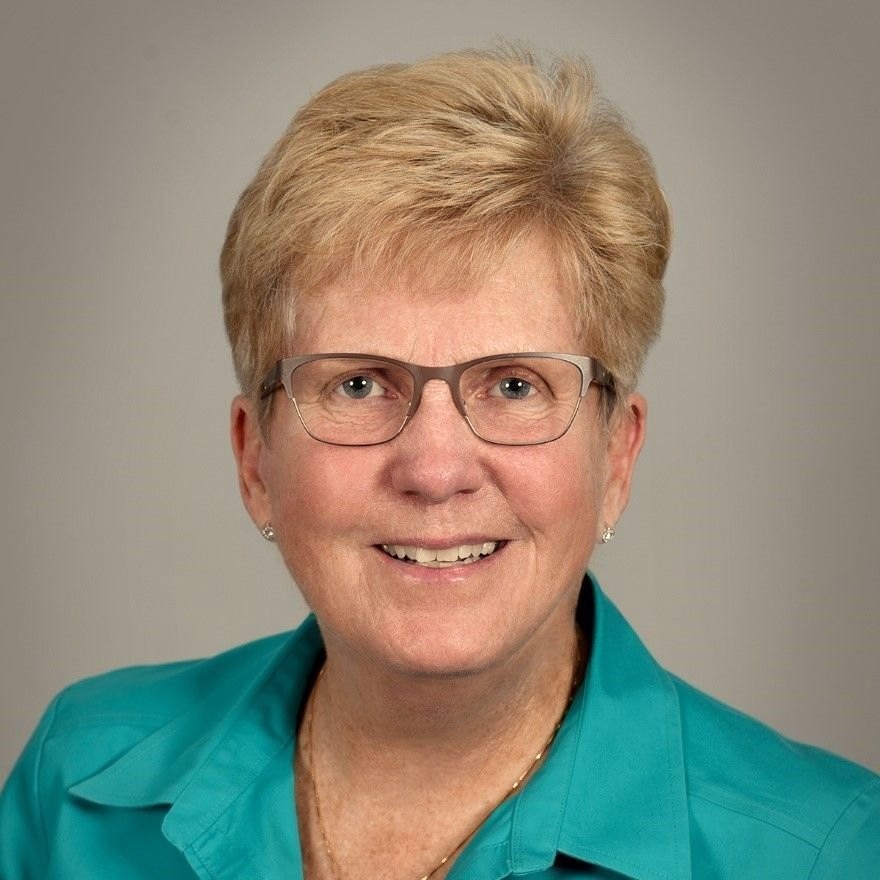
Maggie Johnson, M.Div., LPC
Licensed Professional Counselor (LPC)
Therapy for Individuals and Couples
Ages: Individuals and couples, ages 12 and up
Payment: Blue Cross Blue Shield, Aetna, UnitedHealthcare, UMR, Cigna, Oscar, Optum or private pay

Gloria Ntela, MA, LPA‑IP
Licensed Psychological Associate with Independent Practice
Psychological Evaluations
Ages: All ages
Payment: Private pay

Dr. Richard P. Diaz, DNP, PMHNP
Psychiatric & Family Nurse Practitioner
Medication Management
Ages: Ages 12 and up
Payment: Private pay

Dr. Kiran Mishra
Licensed Psychologist
Therapy for Adults
Ages: Adults 18 and up
Payment: Aetna, Blue Cross Blue Shield or private pay
Questions about phobias
Will I be forced onto a plane?
No. Every step is agreed in advance and paced with you.
Do children get phobias too?
Yes. Some of our therapists work with children, and parents are part of the plan.
Can treatment be online?
Much of it, yes. Real-world steps happen between sessions.
Take the first small step
Request an appointment online, or call or text 832-876-3232 and we will help you choose a therapist.