

Therapy
Therapy for Health Anxiety
If a headache sends you searching for brain tumors, or a normal test result only calms you for a day, therapy can help you step out of the checking cycle.
When worry about health takes over
Everyone notices a strange symptom now and then. Health anxiety is when that noticing turns into hours of worry, frequent body checks, late-night searches and repeated requests for reassurance. Some people go to the doctor often; others avoid doctors entirely because they are afraid of what they might hear.
Common patterns
- Checking your pulse, skin or other sensations many times a day
- Searching symptoms online and reading the worst cases
- Asking family again and again whether you seem okay
- Feeling calm after a normal result, then doubting it soon after
- Avoiding news, shows or conversations about illness
- Worry that grows after a friend or relative becomes sick
Why reassurance stops working
Reassurance brings quick relief, so the brain learns to ask for more of it. The relief gets shorter and the doubt comes back faster. Treatment focuses on living with some uncertainty, which sounds hard and turns out to be freeing.
How we approach it
- 1.
Medical first
We ask that physical symptoms have been checked by your doctor, so therapy can focus on the worry.
- 2.
Track the cycle
You and your therapist map triggers, checking and reassurance.
- 3.
Cut back gradually
You reduce checking and searching in planned steps.
- 4.
Face the fear
You practice tolerating uncertain thoughts without acting on them.

Health anxiety and real illness
Some people developed health anxiety after a real medical scare, or while living with a chronic condition. That is understandable. Therapy does not dismiss your health. It helps you take reasonable care of it without letting fear take over every day.
Related to OCD and panic
Health anxiety can overlap with panic attacks and with OCD. Your therapist will ask questions to understand which pattern fits, because the treatment plan depends on it.
Therapists for anxiety

Diana Cantu, MA, LPA‑IP
Licensed Psychological Associate with Independent Practice
Bilingual Therapy for All Ages
Ages: All ages
Payment: Aetna or private pay

Karisma Amin, M.S.
Licensed Professional Counselor Associate
Therapy for Children, Teens and Adults
Ages: Children, teens and adults
Payment: Aetna or private pay

Naim Karabanoff, MS
Licensed Professional Counselor Associate
Therapy for Kids, Teens and Adults
Ages: Ages 6 and up
Payment: Aetna or private pay

Torresy Smith, LPC
Licensed Professional Counselor
Therapy for Teens, Adults and Athletes
Ages: Ages 12 and up
Payment: Aetna, UnitedHealthcare, UMR, Cigna, Blue Cross Blue Shield, Optum, Oscar or private pay
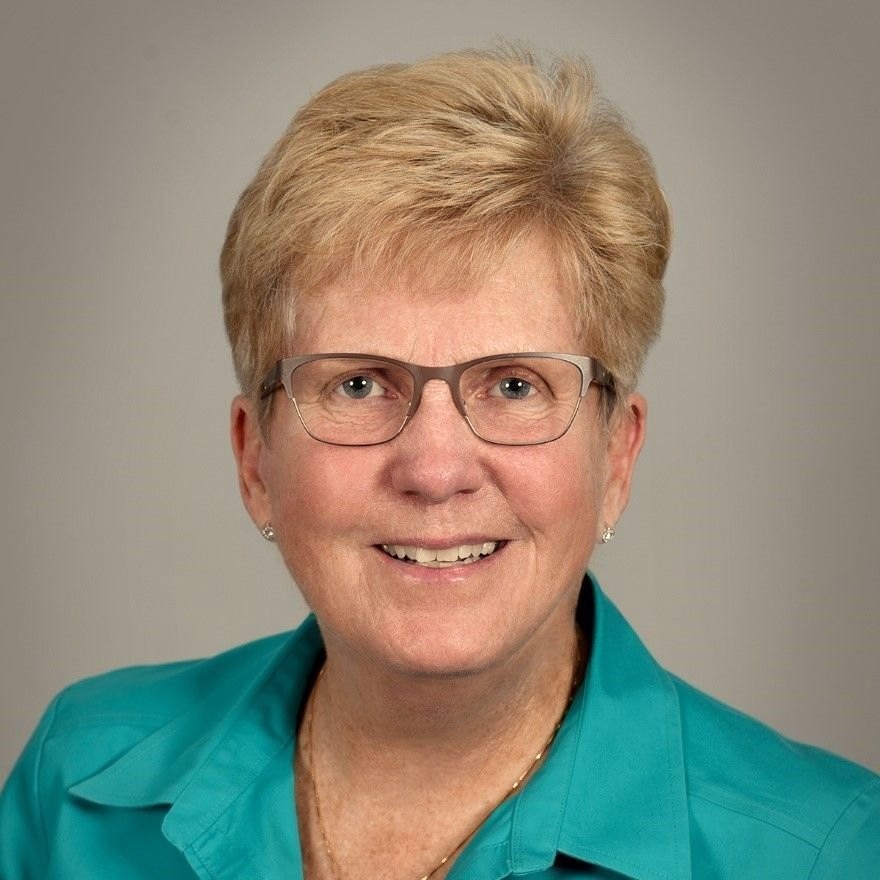
Maggie Johnson, M.Div., LPC
Licensed Professional Counselor (LPC)
Therapy for Individuals and Couples
Ages: Individuals and couples, ages 12 and up
Payment: Blue Cross Blue Shield, Aetna, UnitedHealthcare, UMR, Cigna, Oscar, Optum or private pay

Gloria Ntela, MA, LPA‑IP
Licensed Psychological Associate with Independent Practice
Psychological Evaluations
Ages: All ages
Payment: Private pay

Dr. Richard P. Diaz, DNP, PMHNP
Psychiatric & Family Nurse Practitioner
Medication Management
Ages: Ages 12 and up
Payment: Private pay

Dr. Kiran Mishra
Licensed Psychologist
Therapy for Adults
Ages: Adults 18 and up
Payment: Aetna, Blue Cross Blue Shield or private pay
Questions
Will you tell me my symptoms are all in my head?
No. Symptoms are real experiences. Therapy works on the fear and habits around them.
Should I stop seeing my doctor?
No. Keep the visits your doctor recommends. Your therapist may help you plan what to ask so visits are more useful.
Can I start online?
Yes. All of our therapists offer telehealth anywhere in Texas.
Put the search bar down
Request an appointment online, or call or text 832-876-3232 and we will help you choose a therapist.